

ITIF

The 2026 US-India Subnational Innovation Competitiveness Index
For policymakers to bolster regional competitiveness in the global economy, they first must know where they stand. This report—coauthored by ITIF and the Institute for Competitiveness, India—benchmarks the 87 regions of India and the United States using 12 commonly available indicators of strength in the knowledge economy, globalization, and innovation capacity.

Policy Considerations for Orbital Data Centers
Orbital data centers could complement terrestrial infrastructure by processing selected workloads in space, particularly where data is generated in orbit. Their value will depend on technical performance, life cycle economics, market demand, and a regulatory environment that does not hinder testing and deployment.

Mobilizing for Techno-Economic War, Part 7: Transforming Regulatory Policy
The U.S. regulatory state has become a major headwind for national economic power industries competing against China, and incremental reforms will not be enough for America to avoid techno-economic defeat. U.S. policymakers need to adopt a national developmentalist model.
How South Korea Can Turn Its AI-Memory Boom Into Systemic Strength in the Face of China’s Scale Pressure

South Korea’s AI-memory boom proves that it can still lead at the technological frontier. The proposed Future Response Fund and national megaprojects will test whether South Korea can turn that lead into stronger suppliers, exportable capabilities, and allied scale before Chinese expansion narrows its industrial base.
Balancing Optimism With Anxiety: How Think Tanks View Technology, Trade, and Geopolitics

A survey among 32 think tank members of the Global Trade and Innovation Policy Alliance (GTIPA) across 25 countries finds strong optimism about technological progress, but much less confidence in the global policy environment. Respondents are bullish on emerging technologies and skeptical of recent trade changes, and broadly favor skills and trade openness.
Transatlantic Subnational Innovation Competitiveness Index 3.0

For policymakers to bolster the global competitiveness and innovation capacity of their regions, they must first understand their regions’ strengths and weaknesses. This report—by 11 think tanks from the Global Trade and Innovation Policy Alliance (GTIPA)—benchmarks 213 regions of 13 transatlantic countries using 14 commonly available innovation indicators.
How America Can Reduce Its Dependence on Chinese Active Pharmaceutical Ingredients (APIs)

Heavy dependence on Chinese APIs creates risks to the drug supply and national security. To reduce dependence, U.S. policy should support domestic and allied production through the advanced manufacturing innovation, tax incentives, import limits, regulatory reforms, improved analysis, and targeted procurement, including strategic stockpiling.
How Policymakers Should (and Shouldn’t) Address Chatbot Safety for Children

Policymakers are rushing to regulate AI chatbots. But they should carefully weigh the best approaches to enable safe usage while meaningfully protecting children from harm.
Mobilizing for Techno-Economic War, Part 6: From Free Trade Agreements to Strategic Techno-Economic Agreements

The era of free trade globalization is over. To replace it, the United States should lead a new class of binding deals with allies, with a dual objective of strengthening allied national economic power industries and weakening China’s.
Paying for Outcomes: Tying University Funding to Commercial Results

Canada funds university research but gives universities too little reason to turn that into Canadian firms, patents, and industrial capacity. To better align their incentives with national goals, funding should flow in part on standardized commercialization outcomes, with universities left to decide how to deliver them.
Commercializing Canadian Health Research: The Case for Targeting Grants and Increasing Overall Investment

Canada should significantly expand commercialization-focused grant programs through the Canadian Institutes of Health Research (CIHR) and increase Canada’s overall health science research investments to a scale commensurate with global competition.
Why the USMCA Matters for North America’s Economic Future

The USMCA is the operating system for North American production, investment, talent, and digital commerce. Canada, Mexico, and the United States should renew the agreement and explore ways to update it to preserve certainty, deepen regional supply chains and innovation capabilities, and strengthen the continent’s ability to compete with China.
The Data Center Water Problem Is Soluble

Technology exists, and policy instruments are available, to develop a new, state-led model of water governance for data centers and other large industrial users. What’s missing is institutional coordination, regulatory specificity, and a set of standardized mechanisms and metrics.
China’s Burgeoning Biopharmaceutical Competitiveness Demands a US Response

China has become an increasingly capable competitor in the global biopharmaceutical industry. To remain competitive, the United States should double down on policies to ensure that it offers the world’s leading environment to support private sector life sciences innovation.
Economic Consequences of Section 232 Tariffs on Semiconductor Imports

The Trump administration has imposed tariffs on semiconductor imports on national security grounds under Section 232 of the Trade Expansion Act. These tariffs would raise ICT prices and thereby lower ICT consumption and capital stocks, which would reduce economic growth and lower Americans’ living standards.
Declining Manufacturing Births Contribute to US Manufacturing Woes

Manufacturing start-ups, particularly in critical national economic power industries, are essential to the nation’s economic and security strength. Yet, U.S. manufacturing start-ups have declined over the last three decades.
Mobilizing for Techno-Economic War, Part 5: Transforming STEM Research Policy

Increased federal funding for STEM research is necessary but not sufficient for America to avoid losing to China. It’s also time for a new model for federal research funding that focuses on the technology needs of national power industries and directly benefits firms in the United States.
COMAC: China’s Looming Threat to the Global Aviation Industry

Boeing and Airbus have long dominated the global commercial aircraft industry in production and innovation. But the rise of COMAC—China’s government-created, mercantilist-fueled national champion—threatens the foundations of market-based commercial aviation.
Coalition Letter Opposing the American Innovation and Choice Online Act

The bill would impose heavy restrictions on the ability of America’s leading digital platforms to engage in a wide array of common, overwhelmingly procompetitive behavior.
The Case for Using Section 301 to Retaliate Against Discriminatory EU Policies

The EU has an array of discriminatory policies that target major U.S. tech firms, a legitimate basis for action under Section 301 of the Trade Act of 1974. U.S. policymakers should favor amicably negotiated solutions, but this tool is available as a last resort if necessary.
How Innovative Is China’s Space Industry?

China’s space industry was once nascent. But, with support from the Chinese Communist Party, it has developed into a robust commercial sector and is closing the innovation gap with the United States.
Korea’s STEM Talent Challenge: Fixing Incentives for Deployability

South Korea produces large numbers of STEM graduates, but too many are attracted to medicine, and too few go into engineering. Korea should rebalance its education financing and university incentives to ensure that enough engineers are ready to work in advanced industries.
The State of Privacy: Lessons From State Laws for a National Framework

The United States’ patchwork approach to privacy is unworkable in the long term. But that patchwork is already here, and Congress can learn from the policies states have implemented to craft a national data privacy framework.
Targeted Pressure: How Chinese Manufacturing Competition Impacts US States

Chinese industrial policy is reshaping global manufacturing and impacting every U.S. state. The result is growing risk to American industry, jobs, and national security.
How Personalization Drives Consumer Choice and Autonomy

As new technologies such as AI expand both user-directed and provider-driven personalization capabilities in digital systems, policymakers should ensure that personalization strengthens transparency, accountability, and user control rather than constrain its development.
Comfortable Decline: How Canada Chooses Stability Over Dynamic Prosperity

Canadian innovation, productivity, and competitiveness are weak. Absent serious policy change, they will likely get even weaker. A turnaround requires addressing Canada’s core challenges—most fundamentally, a Canadian political economy that is not designed for the techno-economic environment the country now faces.
Advanced Geothermal Energy Is Widely Available, Clean, and Maybe Cheap Enough to Make a Big Impact

Three advanced geothermal technologies—Enhanced Geothermal Systems (EGS), Advanced Geothermal Systems (AGS), and Superhot Rock Geothermal (SHR)—are poised to transform geothermal from a niche resource into a significant contributor to the U.S. energy mix.
Mobilizing for Techno-Economic War, Part 4: Transforming Education and Workforce Policy

The U.S. education and workforce development system is ill-suited to winning the economic power industry war with China. It’s time for systemic reforms to produce students and workers with skills and capabilities that national power industries need.
America Needs an Industrial Strategy for Motor Vehicles
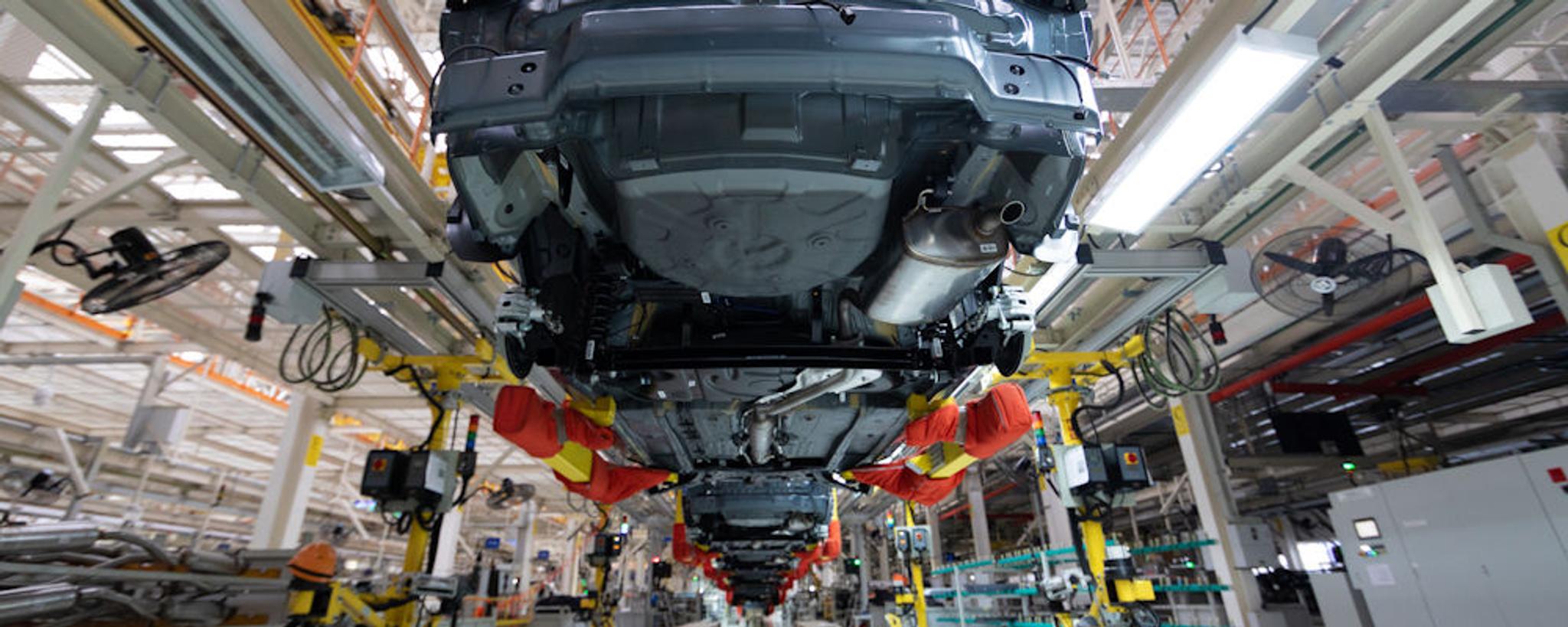
U.S. automotive competitiveness has severely faltered. The federal government needs a comprehensive national strategy to revitalize the industry’s competitiveness, especially in the face of Chinese EVs.
The Hamilton Index, 2026: China’s Dominance in Advanced Industries Is Growing

China now produces nearly one-quarter of global output in the 10 advanced industries that make up ITIF’s Hamilton Index, outpacing all other nations. America and the West must recognize that China’s gains are coming at the expense of their techno-economic and national power.
US Technology Companies Should Keep Operating in China
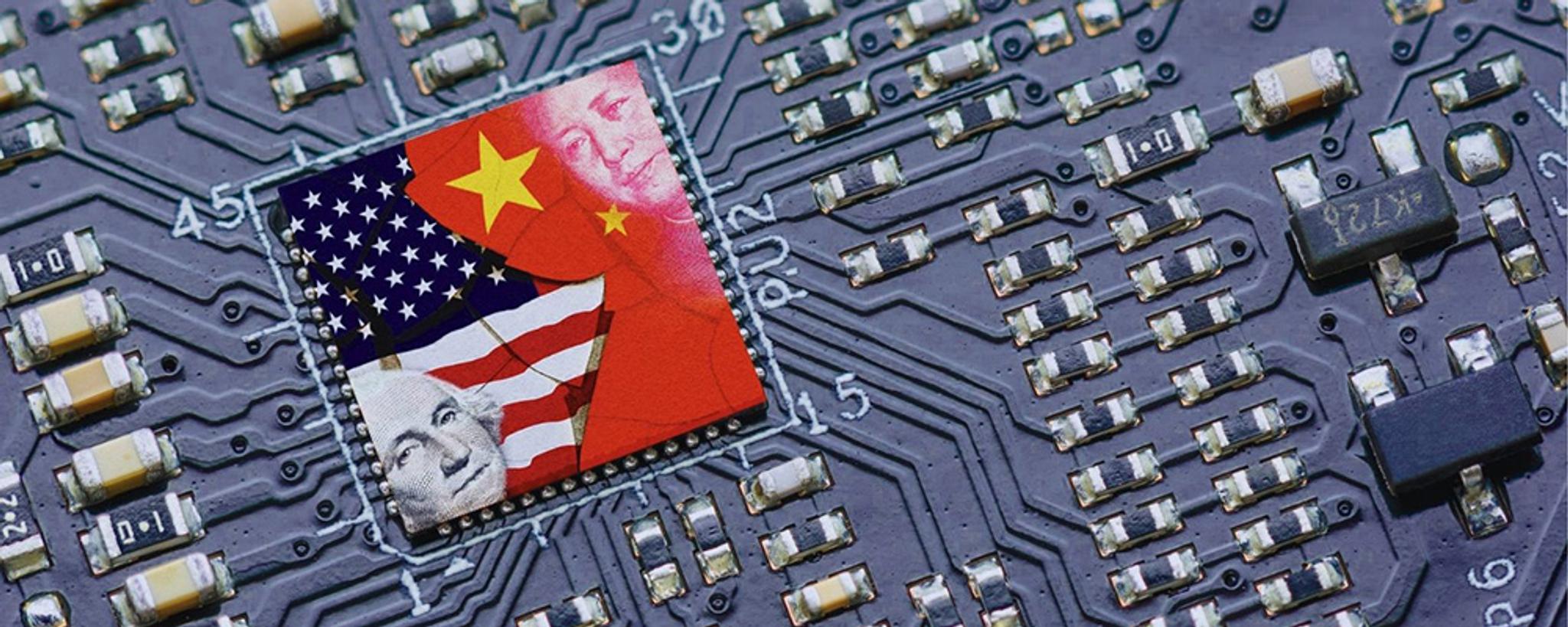
When U.S. technology companies compete in China, they capture revenue, learn technologies and trends from a critical market, and extend U.S.-built ecosystems. Forcing them out of China would weaken U.S. global competitiveness and give Chinese firms greater scale to shape technology ecosystems.
How to Align Incentives to Accelerate Spectrum Productivity

Timing mismatches hamper otherwise mutually beneficial spectrum reallocation processes. Dominant assurance contracts can resolve these mismatches and enhance the overall productivity of spectrum resources.
Improving State and Local Government Cybersecurity

State and local governments face rising cybersecurity risks that strain budgets, disrupt services, and erode public trust. Governments need targeted investments in modern infrastructure, continuous monitoring, and stronger third-party risk management to protect critical services.
Mobilizing for Techno-Economic War, Part 3: Transforming Financial Capitalism Into National Power Capitalism

To avoid losing the techno-economic trade war with China, U.S. policymakers must rewrite the social contract at the heart of America’s 50-year-old system of financial capitalism by rebalancing the incentives to drive long-term investments in U.S. national power industries.
From Sovereignty to Control: A Clear-Eyed View of Canadian Cloud Policy

Canada’s cloud debate is asking the wrong question—control, not domestic ownership or server location, is what determines security and resilience in practice.
Five Concerns About AI Data Centers, and What to Do About Them

If the policy framework is right, AI infrastructure can strengthen the electricity grid rather than strain it, stabilize prices rather than inflate them, and transform heat and flexible demand into system assets.
The Global Trade Battleground: US-China Competition in the Global South
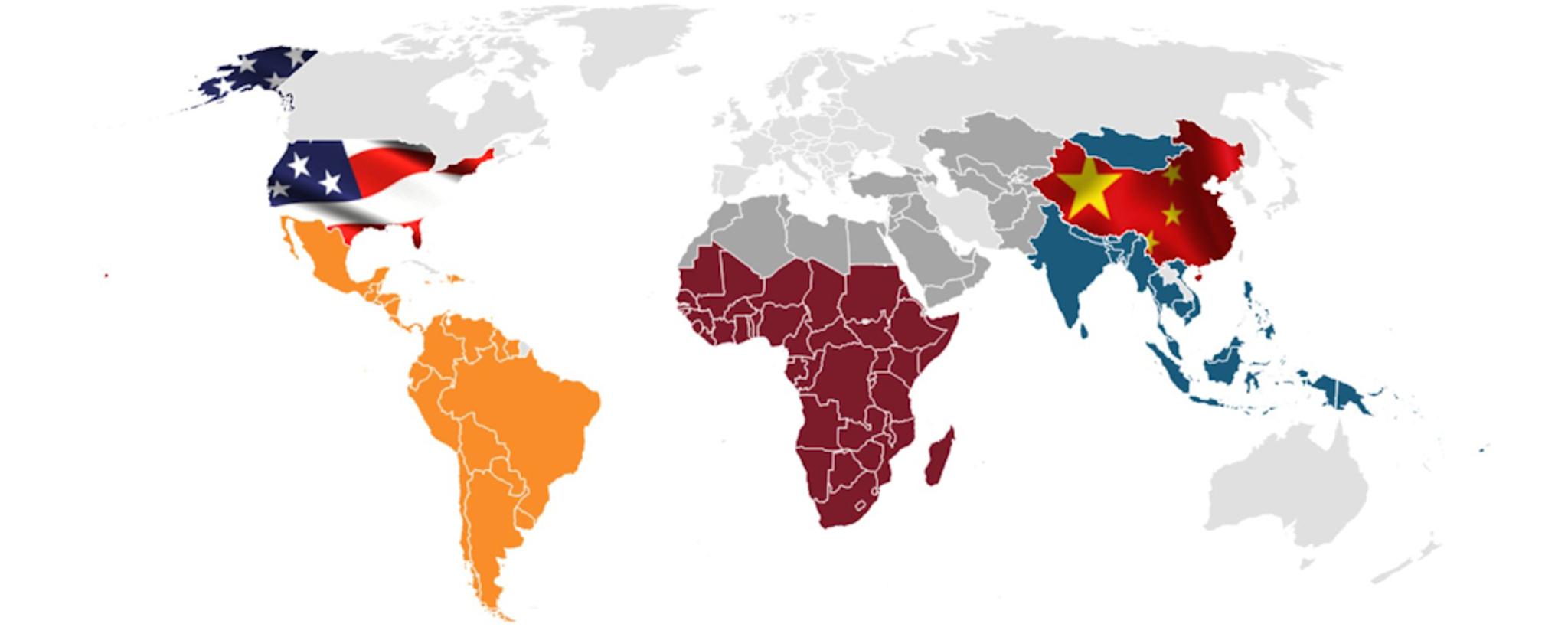
Countries in the Global South are key markets for Chinese and U.S.-allied national power industries, which require scale economies to flourish. U.S. policymakers should stop viewing them as a “backyard” and recognize that they are a key battlefield in an industrial war.
Mobilizing for Techno-Economic War, Part 2: Slowing China’s Advance

Boosting U.S. competitiveness in national power industries is necessary, but not sufficient to avoid losing to China. America also must take measures to slow the PRC’s progress toward global dominance. This report provides more than 100 actionable recommendations for the administration and Congress. Western allies should take many of the same steps.
Antitrust Undone: How Competition Enforcers Are Undermining Competition

Refashioning U.S. antitrust in the mold of the EU’s weaker probative burdens and categorical prohibitions would adversely impact U.S. global competitiveness and innovative dynamism, particularly in the tech ecosystem.
Lessons From Europe’s Loss of Biopharma Leadership, and Its Attempts to Recover

Europe once led the world in biopharmaceutical innovation, but it lost ground after adopting policies that weakened incentives for R&D and innovation. America must learn from Europe’s experience to preserve its own biopharma leadership and the related economic benefits and access to the most innovative drugs.
