

Trade
Navigate forward to interact with the calendar and select a date. Press the question mark key to get the keyboard shortcuts for changing dates.
Navigate backward to interact with the calendar and select a date. Press the question mark key to get the keyboard shortcuts for changing dates.
Growing the innovation economy requires tight and deep integration of global markets—but with the critical caveat that this integration must come with strong commitments to openness and robust, market-oriented national competitiveness policies, not protectionist market distortions. ITIF's research focuses on how to promote robust trade, especially in innovation-based industries, and curb the spread of innovation mercantilism in all its forms.

Associate Director, Trade, IP, and Digital Technology Governance
Information Technology and Innovation Foundation
Read Bio
Executive Vice President, Global Innovation Policy
Information Technology and Innovation Foundation
Read BioFeatured
Why the USMCA Matters for North America’s Economic Future
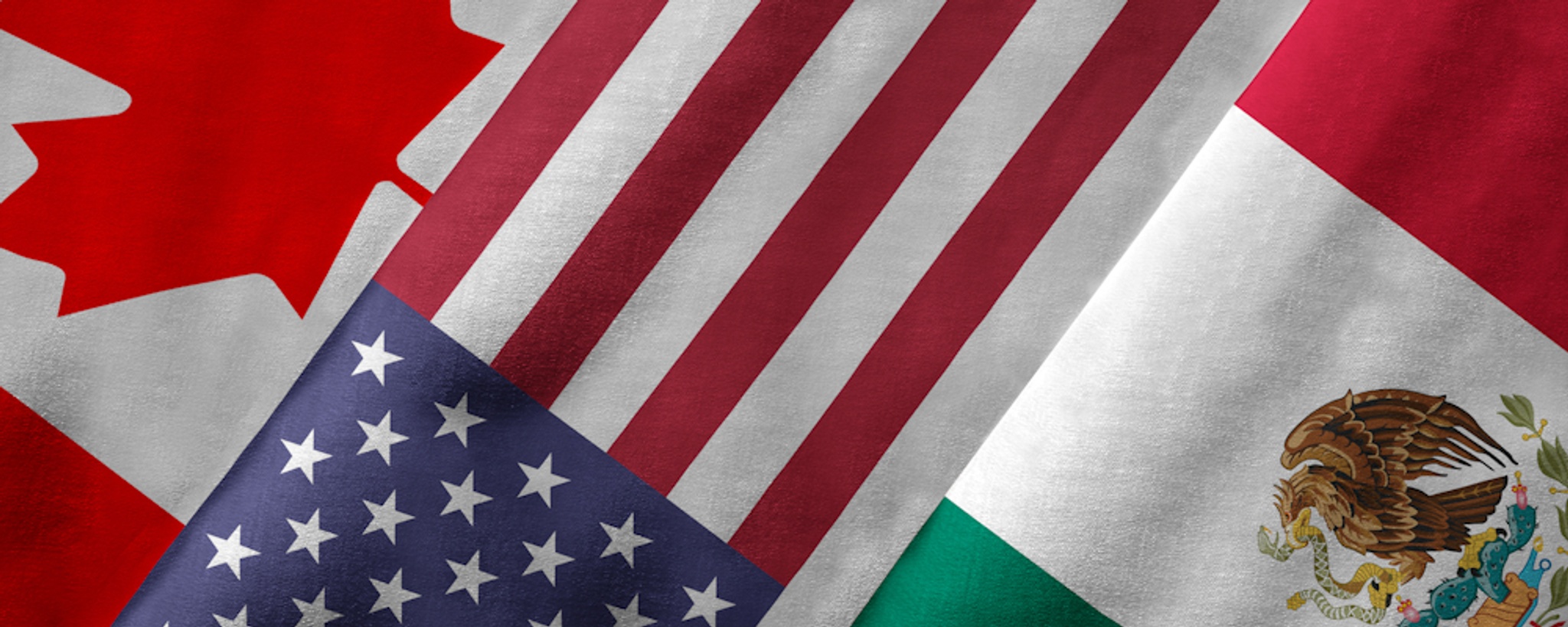
The USMCA is the operating system for North American production, investment, talent, and digital commerce. Canada, Mexico, and the United States should renew the agreement and explore ways to update it to preserve certainty, deepen regional supply chains and innovation capabilities, and strengthen the continent’s ability to compete with China.
Toward Globalization 2.0: A New Trade Policy Framework for Advanced-Industry Leadership and National Power

Globalization 1.0 has failed, but protectionist autarky cannot be its replacement. Instead, it is past time to craft a new kind of globalization that advances U.S. interests in key industries and prevents China from becoming the dominant techno-economic power.
More Publications and Events
October 27, 2026|Testimonies & Filings
Comments to the European Commission Regarding Its ‘Diversify EU’ Proposal
The Commission should organize Diversify EU around allied production capacity and a coordinated response to Chinese mercantilism.
October 26, 2026|Blogs
Tracking Pax Silica’s Evolution: A Timeline
Major agreements, new participants, and key diplomatic and industrial milestones in the U.S.-led Pax Silica initiative, which aims to secure global supply chains that underpin AI and other advanced technologies.
October 20, 2026|Events
Korean Competition Policy and the Stakes for the US-Korea Relationship
Join ITIF for a panel discussion with international experts on a forthcoming report analyzing a decade of previously uncompiled KFTC enforcement data, what its findings mean for U.S.–Korea economic relations, and how policymakers in both countries should respond.
October 15, 2026|Blogs
Calibrating the Right Policy Response to the AI-Driven Memory Chip Shortage
As AI demand drives memory chip prices to more than triple in 2026, Washington should resist short-term fixes that pick who gets scarce supply or deepen reliance on Chinese producers and instead expand U.S. memory production capacity for the long term.
October 13, 2026|Presentations
U.S.-Indonesia Digital Trade and AI Cooperation Forum
Daniel Castro spoke about unlocking Indonesia’s AI opportunities and fostering an innovation-friendly AI ecosystem at the U.S.-Indonesia Digital Trade and AI Cooperation Forum hosted by the US-ASEAN Business Council.
October 7, 2026|Op-Eds & Contributed Articles
Sovereignty by Control, Not Passport
Canada should pursue digital sovereignty through contractual safeguards and resilient systems, rather than Canadian ownership requirements that raise costs and create trade risks.
October 1, 2026|Blogs
The China Challenge Is Not the Japan Challenge—It’s Worse
Japan was a competitor inside the U.S. alliance system. China is a rival trying to replace it. Waiting for China to repeat Japan’s slowdown is not a strategy.
September 17, 2026|Testimonies & Filings
Comments to USTR Regarding China's Compliance With WTO Commitments
China has consistently failed to meet its WTO commitments, continuing to harm U.S. competitiveness. In response, Congress and the USTR should prepare a phased, strategic pathway to revoke China's Permanent Normal Trade Relations (PNTR) status if Beijing refuses to reform.
September 11, 2026|Events
2026 Global Trade and Innovation Policy Alliance Summit
Join us in Warsaw, Poland, for the 2026 GTIPA Summit.
September 9, 2026|Blogs
Two Truths and a Lie About the U.S.–Canada Trade Breakdown
As U.S.-Canada trade tensions escalate, both countries risk weakening the North American production base they need to compete with China—and turning a manageable dispute into a costly, self-defeating trade war.
