

Trade
Navigate forward to interact with the calendar and select a date. Press the question mark key to get the keyboard shortcuts for changing dates.
Navigate backward to interact with the calendar and select a date. Press the question mark key to get the keyboard shortcuts for changing dates.
Growing the innovation economy requires tight and deep integration of global markets—but with the critical caveat that this integration must come with strong commitments to openness and robust, market-oriented national competitiveness policies, not protectionist market distortions. ITIF's research focuses on how to promote robust trade, especially in innovation-based industries, and curb the spread of innovation mercantilism in all its forms.

Associate Director, Trade, IP, and Digital Technology Governance
Information Technology and Innovation Foundation
Read Bio
Executive Vice President, Global Innovation Policy
Information Technology and Innovation Foundation
Read BioFeatured
Why the USMCA Matters for North America’s Economic Future
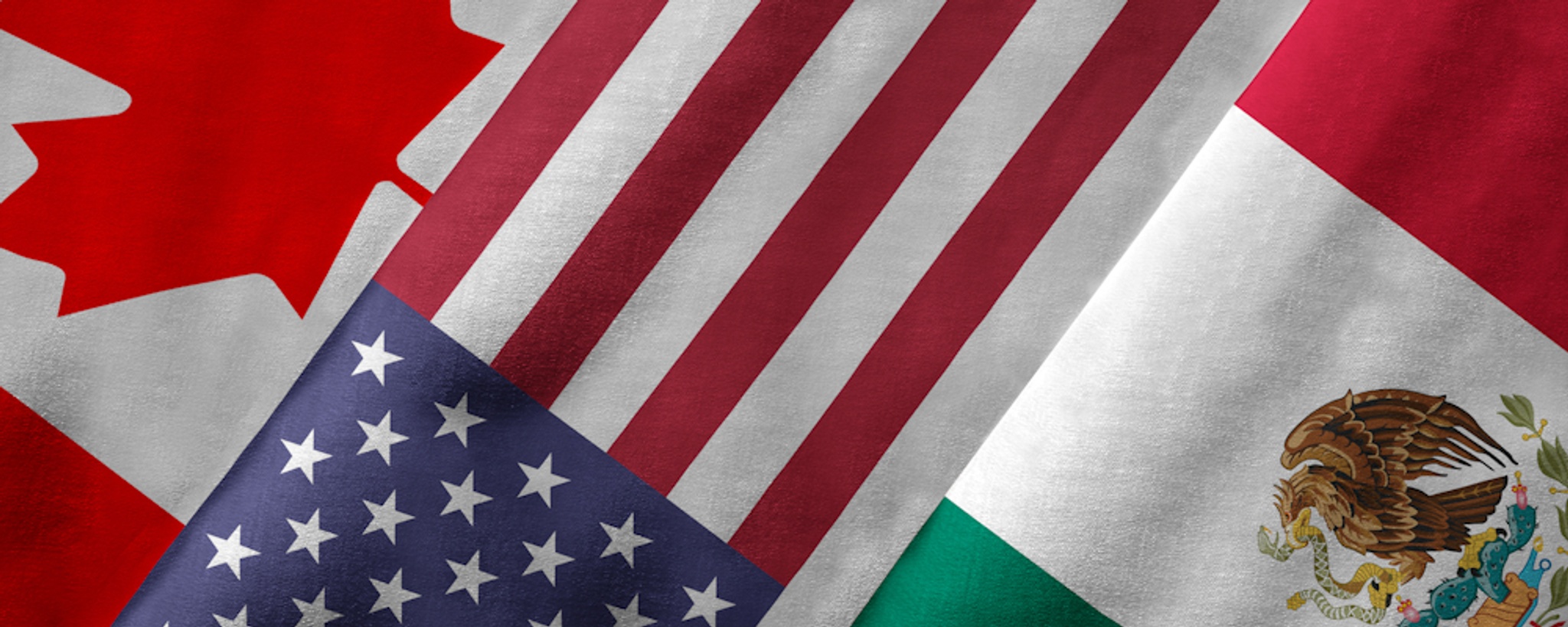
The USMCA is the operating system for North American production, investment, talent, and digital commerce. Canada, Mexico, and the United States should renew the agreement and explore ways to update it to preserve certainty, deepen regional supply chains and innovation capabilities, and strengthen the continent’s ability to compete with China.
Toward Globalization 2.0: A New Trade Policy Framework for Advanced-Industry Leadership and National Power

Globalization 1.0 has failed, but protectionist autarky cannot be its replacement. Instead, it is past time to craft a new kind of globalization that advances U.S. interests in key industries and prevents China from becoming the dominant techno-economic power.
More Publications and Events
September 19, 2026|Blogs
Two Truths and a Lie About the U.S.–Canada Trade Breakdown
As U.S.-Canada trade tensions escalate, both countries risk weakening the North American production base they need to compete with China—and turning a manageable dispute into a costly, self-defeating trade war.
September 11, 2026|Events
2026 Global Trade and Innovation Policy Alliance Summit
Join us at the GTIPA (Global Trade & Innovation Policy Alliance) Summit 2026.
September 8, 2026|Reports & Briefings
Balancing Optimism With Anxiety: How Think Tanks View Technology, Trade, and Geopolitics
A survey among 32 think tank members of the Global Trade and Innovation Policy Alliance (GTIPA) across 25 countries finds strong optimism about technological progress, but much less confidence in the global policy environment. Respondents are bullish on emerging technologies and skeptical of recent trade changes, and broadly favor skills and trade openness.
September 8, 2026|Reports & Briefings
Transatlantic Subnational Innovation Competitiveness Index 3.0
For policymakers to bolster the global competitiveness and innovation capacity of their regions, they must first understand their regions’ strengths and weaknesses. This report—by 11 think tanks from the Global Trade and Innovation Policy Alliance (GTIPA)—benchmarks 213 regions of 13 transatlantic countries using 14 commonly available innovation indicators.
September 4, 2026|Blogs
Tracking Pax Silica’s Evolution: A Timeline
Major agreements, new participants, and key diplomatic and industrial milestones in the U.S.-led Pax Silica initiative, which aims to secure global supply chains that underpin AI and other advanced technologies.
August 10, 2026|Testimonies & Filings
Comments to USTR Regarding Its Section 301 Investigation of Germany’s Persistent Underpayment for Innovative Pharmaceutical Products
Instead of copying other OECD countries in a “reference-price-race-to-the-bottom,” U.S. policy should instead encourage peer countries to appropriately value innovative medicines.
July 29, 2026|Blogs
The EU’s Latest Google Fine Confirms the DMA Was Built to Target American Success
Taken together with dozens of other fines the EU has imposed on American tech firms, last week’s action against Google was further confirmation that the DMA functions less as a competition tool than as an extractive mechanism. The difference this time is that the Trump administration sent a clear signal it won’t stand for this anymore.
July 27, 2026|Reports & Briefings
Mobilizing for Techno-Economic War, Part 6: From Free Trade Agreements to Strategic Techno-Economic Agreements
The era of free trade globalization is over. To replace it, the United States should lead a new class of binding deals with allies, with a dual objective of strengthening allied national economic power industries and weakening China’s.
July 27, 2026|Blogs
USMCA Set the World's Digital Trade Standards Six Years Ago. Now It Can Raise Them
The USMCA’s digital trade rules set the global standard. Now, policymakers should modernize them for the age of AI, close loopholes that enable data localization and discriminatory taxes, and build a more secure, competitive North American digital economy.
July 22, 2026|Testimonies & Filings
Testimony to the House Subcommittee on Commerce, Manufacturing, and Trade Regarding Legislative Proposals to Strengthen Consumer Protection in a Changing Marketplace
Congress has an opportunity to strengthen consumer protection while preserving the benefits of digital commerce. No marketplace can eliminate every counterfeit product or fraudulent seller. But every marketplace serving American consumers should meet reasonable expectations for seller accountability, transparency, and effective action against harmful conduct.
