


AI! AI. AI? AI…
Edited by AI
AI. AI. AI. AI. AI. AI. AI. AI. AI. AI. AI. AI. AI. AI. AI. AI. AI. AI. AI. AI. AI. AI. AI. AI. AI. AI. AI. AI. AI. AI. AI. AI. AI. AI. AI. AI. AI. AI. AI. AI. AI. AI. AI. AI. AI. AI. AI. AI. AI. AI. AI. AI. AI. AI. AI. AI. AI. AI. AI. AI. AI. AI. AI. AI. AI. AI. AI. AI. AI. AI. AI. AI. AI. AI. AI. AI. AI. AI. AI. AI. AI. AI. AI. AI. AI. AI. AI. AI. AI. AI. AI. AI. AI. AI. AI. AI. AI. AI. AI. AI. AI. AI. AI. AI. AI. AI. AI. AI. AI.
AI. AI. AI. AI. AI. AI. AI. AI. AI. AI. AI. AI. AI. AI. AI. AI. AI. AI. AI. AI. AI. AI. AI. AI. AI. AI. AI. AI. AI. AI. AI. AI. AI. AI. AI. AI. AI. AI. AI. AI. AI. AI. AI. AI. AI. AI. AI. AI. AI. AI. AI. AI. AI. AI. AI. AI. AI. AI. AI. AI. AI. AI. AI. AI. AI. AI. AI. AI. AI. AI. AI. AI. AI. AI. AI. AI. AI.[1]
AI. AI. AI. AI. AI. AI. AI. AI. AI. AI. AI. AI. AI. AI. AI. AI. AI. AI. AI. AI. AI. AI. AI. AI. AI. AI. AI. AI. AI. AI. AI. AI. AI. AI. AI. AI. AI. AI. AI. AI. AI. AI. AI. AI. AI. AI. AI. AI. AI. AI. AI. AI. AI. AI. AI. AI. AI. AI. AI. AI. AI. AI. AI. AI. AI. AI. AI. AI. AI. AI. AI. AI. AI. AI. AI. AI. AI. AI. AI. AI. AI. AI. AI. AI. AI. AI. AI. AI. AI. AI. AI. AI. AI.
AI!
AI. AI. AI. AI. AI. AI. AI. AI. AI. AI. AI. AI. AI. AI. AI. AI. AI. AI. AI. AI. AI. AI. AI. AI. AI. AI. AI. AI. AI. AI. AI. AI. AI. AI. AI. AI. AI. AI. AI. AI. AI. AI. AI. AI. AI. AI. AI. AI. AI. AI. AI. AI. AI. AI. AI. AI. AI. AI. AI. AI. AI. AI. AI. AI. AI. AI. AI. AI. AI. AI. AI. AI. AI. AI. AI. AI. AI. AI.
AI. AI. AI. AI. AI. AI. AI. AI. AI. AI. AI. AI. AI.
- AI. AI. AI. AI. AI. AI. AI. AI. AI. AI. AI. AI. AI. AI. AI. AI. AI. AI.
- AI. AI. AI. AI. AI. AI. AI. AI. AI. AI. AI. AI. AI. AI. AI. AI. AI. AI.
- AI. AI. AI. AI. AI. AI. AI. AI. AI. AI. AI. AI. AI. AI. AI. AI. AI. AI.
AI. AI. AI. AI. AI. AI. AI. AI. AI. AI. AI. AI. AI. AI. AI. AI. AI. AI. AI. AI. AI. AI. AI. AI. AI. AI. AI. AI. AI. AI. AI. AI. AI. AI. AI. AI. AI. AI. AI. AI. AI. AI. AI. AI. AI. AI. AI. AI. AI. AI. AI. AI. AI. AI. AI. AI. AI. AI. AI. AI. AI. AI. AI. AI. AI. AI. AI. AI. AI. AI. AI. AI. AI. AI. AI. AI. AI. AI. AI. AI. AI. AI. AI. AI. AI. AI. AI. AI. AI. AI.
AI. AI. AI. AI. AI. AI. AI. AI. AI. AI. AI. AI. AI. AI. AI. AI. AI. AI. AI. AI. AI. AI. AI. AI. AI. AI. AI. AI. AI. AI. AI. AI. AI. AI. AI. AI. AI. AI. AI. AI. AI. AI. AI. AI. AI. AI. AI. AI. AI. AI. AI. AI. AI. AI. AI. AI. AI. AI. AI. AI. AI. AI. AI. AI. AI. AI. AI. AI. AI. AI. AI. AI. AI. AI. AI. AI. AI. AI. AI. AI. AI. AI. AI. AI. AI. AI. AI. AI. AI. AI. AI. AI. AI. AI. AI. AI. AI. AI. AI. AI. AI. AI. AI. AI. AI. AI. AI. AI. AI.[2]
AI. AI. AI. AI. AI. AI. AI. AI. AI. AI. AI. AI. AI. AI. AI. AI. AI. AI. AI. AI. AI. AI. AI. AI. AI. AI. AI. AI. AI. AI. AI. AI. AI. AI. AI. AI. AI. AI. AI. AI:
AI. AI. AI. AI. AI. AI. AI. AI. AI. AI. AI. AI. AI. AI. AI. AI. AI. AI. AI. AI. AI. AI. AI. AI. AI. AI. AI. AI. AI. AI. AI. AI. AI. AI. AI. AI. AI. AI. AI. AI. AI. AI. AI. AI. AI. AI. AI. AI. AI. AI. AI. AI. AI. AI. AI. AI. AI. AI. AI. AI. AI. AI. AI. AI. AI. AI. AI.
AI. AI. AI. AI. AI. AI. AI. AI. AI. AI. AI. AI. AI. AI. AI. AI. AI. AI. AI. AI. AI. AI. AI. AI. AI. AI. AI. AI. AI. AI. AI. AI. AI. AI. AI. AI. AI. AI. AI. AI. AI. AI. AI. AI. AI. AI. AI. AI. AI. AI. AI. AI. AI. AI. AI. AI. AI. AI. AI. AI. AI. AI. AI. AI. AI. AI. AI. AI. AI. AI. AI. AI. AI. AI. AI. AI. AI. AI. AI. AI. AI. AI. AI. AI. AI. AI. AI. AI. AI. AI. AI. AI. AI. AI. AI. AI. AI. AI. AI. AI. AI. AI. AI. AI. AI. AI. AI. AI. AI. AI. AI. AI. AI. AI. AI. AI. AI. AI.
AI.
AI. AI. AI. AI. AI. AI. AI. AI. AI. AI. AI. AI. AI. AI. AI. AI. AI. AI. AI. AI. AI. AI. AI. AI. AI. AI. AI. AI. AI. AI. AI. AI. AI. AI. AI. AI. AI. AI. AI. AI. AI. AI. AI. AI. AI. AI. AI. AI. AI. AI. AI. AI. AI. AI. AI. AI. AI. AI. AI. AI. AI. AI. AI. AI. AI. AI. AI. AI. AI. AI. AI. AI. AI. AI. AI. AI. AI. AI. AI. AI. AI. AI. AI. AI. AI. AI. AI. AI. AI. AI. AI. AI. AI. AI. AI.
AI. AI. AI. AI. AI. AI. AI. AI. AI. AI. AI. AI. AI. AI. AI. AI. AI. AI. AI. AI. AI. AI. AI. AI. AI. AI. AI. AI. AI. AI. AI. AI. AI. AI. AI. AI. AI. AI. AI. AI. AI. AI. AI. AI. AI. AI. AI. AI. AI. AI. AI. AI. AI. AI. AI. AI. AI. AI. AI. AI. AI. AI. AI. AI.
AI. AI. AI. AI. AI. AI. AI. AI. AI. AI. AI. AI. AI. AI. AI. AI. AI. AI. AI. AI. AI. AI. AI. AI. AI. AI. AI. AI. AI. AI. AI. AI. AI. AI. AI. AI. AI. AI. AI. AI. AI. AI. AI. AI. AI. AI. AI. AI. AI. AI. AI. AI. AI. AI. AI. AI. AI. AI. AI. AI. AI. AI. AI. AI. AI. AI. AI. AI. AI. AI. AI. AI. AI. AI. AI. AI. AI. AI. AI. AI. AI.
AI?
Look, I get that AI is important. I like AI, I use AI, and I talk about AI. But every once in a while, can the American public and policymakers discuss other advanced industries and emerging technologies? Especially as the United States determines how to compete with China in national power industries.
If you’re curious why I’m bringing this up while everyone else is focused on Anthropic going public, it’s because I’ve spent much of this week discussing what sustains American economic strength and national security. The answer involves more than one industry.
ITIF convened a policy conference this week on what U.S. policymakers must do to prevent America from suffering a catastrophic defeat in its techno-economic-trade war with China. Experts at the event discussed the findings of ITIF’s 18-month research effort on China’s predatory industrial strategies, their impact on U.S. technological leadership, and the policies needed to strengthen America’s national power industries. (All reports are now available as an anthology, which I encourage you to explore.)
National power industries are a group of advanced, traded-sector industries that underpin economic strength and national security in the 21st century. They include AI (yes), semiconductors, aerospace, biopharmaceuticals, robotics, telecommunications equipment, advanced chemicals, precision machinery, and dozens of other sectors. Weakening or losing these industries would give China dangerous leverage over the United States and its allies while eroding U.S. defense production capabilities.
Two overarching points were clear from the research series and conference:
- China’s campaign to dominate these industries is not normal economic competition between market economies. It is a carefully orchestrated, multidecade effort to displace U.S. industrial capabilities, weaken allied nations, and reshape the global order under CCP leadership.
- Preventing America from becoming subservient to China in national power industries requires a fundamental transformation of the country’s techno-industrial economic system.
Despite China’s aim to dominate all strategically important industries—all, plural, many, 100 percent—there is a seductive idea floating around in some of Washington’s techno-economic policy circles: China is good at “X” (insert telecom equipment, chemicals, manufacturing generally, etc.), so it can have that; America will have AI and therefore win. Once the United States achieves AGI, the thinking goes, the war is over. Losing ground in everything else in the meantime won’t matter.
America’s strength in digital technology obscures a much less reassuring picture elsewhere. For example, China produces more machinery, chemicals, electrical equipment, and fabricated and basic metals than the United States. Chinese firms have overtaken American firms in industrial engineering R&D. The U.S. depends on China for critical ingredients used to make medicines. These industries sustain national power.
Betting that AI will compensate for these weaknesses is an awfully large gamble with the country’s economic strength and national security. China is making rapid progress in AI. And while AI systems will improve production in many sectors, expecting them to rescue every industry we allow China to hollow out in the next quarter century, when this conflict will matter most, is wishful thinking.
The same concern applies to the broader idea that America will always be able to escape to the next technological frontier through the magic of Silicon Valley. Losing ground in the chemical sector? Don’t worry, here comes synthetic biology! Chinese firms are aggressively pursuing dominance in established industries and emerging technologies alike. Not only is the supposedly safer “higher ground” now contested territory, but with deep cuts in federal research funding, there’s no reason to expect the United States will win all future industries.
Plus, breakthroughs often depend on capabilities built by the last big thing. Biotech advances draw on the research and production competencies of strong, established biopharmaceutical firms. Companies developing today’s telecommunications equipment are also working on tomorrow’s 6G networks. Let those capabilities erode, and America weakens the foundation for future innovation.
And inventing the next big thing does not guarantee that America will produce it or retain a competitive advantage in the industry. Discoveries still have to become commercially viable products, supported by manufacturing expertise, suppliers, skilled workers, and investment. America will not keep production at home if those capabilities reside in China or elsewhere.
From semiconductors to solar panels and TVs, other nations have captured production of technologies pioneered in America. Why would this time be any different if the fundamental U.S. strategy and policy remain the same? With China poised to absorb U.S. knowledge and commercialize it domestically, one should expect the pattern to repeat.
To be clear, AI is certainly a national power industry, and its importance deserves to be taken seriously. The United States must continue strengthening its AI capabilities, accelerating adoption nationwide, and pushing ahead in other frontier technologies. But AI is not the only industry that deserves attention and resources. Machine tools, basic chemicals, and many other sectors are not cutting-edge or “cool.” However, they sustain the production capabilities on which advanced industries and national defense depend.
AI…
In most national power industries, once a country loses its competitive position, regaining it is virtually impossible. In sectors where competing requires global economies of scale, the United States cannot simply rebuild a few factories and pick up where it left off.
The United States retains formidable advantages in its innovation ecosystems, allied networks, capital markets, and universities. Those strengths provide a foundation for successful competition if properly mobilized. But every industry lost makes recovery harder, and every policy delay gives China more time to strengthen its position.
The PRC is already opening new fronts that U.S. policymakers have not fully recognized. For example, at the conference, we discussed emerging techno-industrial threats in biopharmaceuticals, commercial aviation, and robotics. America cannot afford to wait until those industries have suffered massive losses before taking them seriously.
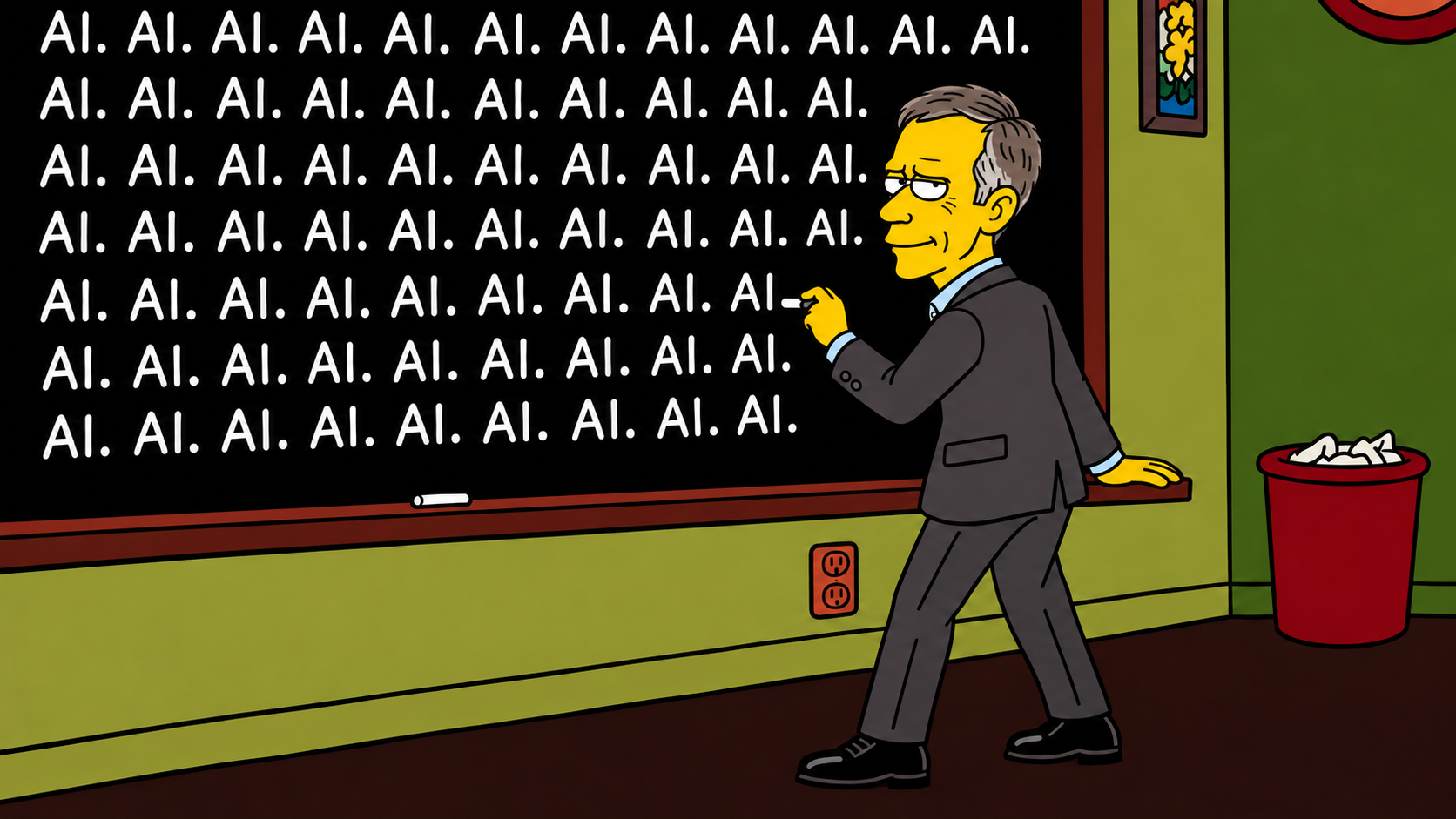
AI leadership matters, but alone it is insufficient. Competing with China requires strengthening the broader group of national power industries that underpin U.S. economic strength and national security. Washington must keep expanding America’s AI capabilities and adoption while supporting other emerging technologies and defending established advanced industries, including strategically essential sectors that attract less attention or offer fewer opportunities for dramatic breakthroughs.
Oh, and of course, AI. AI. AI. AI. AI. AI. AI. AI. AI. AI. AI. AI. AI. AI. AI. AI. AI. AI. AI. AI. AI. AI. AI. AI. AI. AI. AI. AI. AI. AI. AI. AI. AI. AI. AI. AI. AI. AI. AI. AI. AI. AI. AI. AI. AI. AI. AI. AI. AI. AI. AI. AI.
AI. AI. AI. AI. AI. AI. AI. AI. AI. AI. AI. AI. AI. AI. AI. AI. AI. AI. AI. AI. AI. AI. AI. AI. AI. AI. AI. AI. AI. AI. AI. AI. AI. AI. AI. AI. AI. AI. AI. AI. AI. AI. AI. AI. AI. AI. AI. AI. AI. AI. AI. AI. AI. AI. AI. AI. AI. AI. AI. AI. AI. AI. AI. AI. AI. AI. AI. AI. AI. AI. AI. AI. AI. AI. AI. AI.
AI. AI. AI. AI. AI. AI. AI. AI. AI. AI. AI. AI. AI. AI. AI. AI. AI. AI. AI. AI. AI. AI. AI. AI. AI. AI. AI. AI. AI. AI. AI, AI, AI! AI, AI, AI. AI, AI, AI? AI, AI, AI…
[1] AI
[2] AI
