


Backlash to Flock Cameras Is a Trust Issue, Not a Tech Issue
The epidemic of fear surrounding artificial intelligence (AI) has infected a new host: automated license plate readers (ALPRs). Targeting Flock cameras—a specific brand of AI-powered ALPRs that has the largest network of cameras in the United States—AI critics cite concerns of mass surveillance, over-policing, and misuse and abuse of the technology by law enforcement officers. At its core, however, this backlash has little to do with Flock, or even ALPRs. Instead, amid growing opposition to AI and federal law enforcement, Flock cameras have suffered from being in the wrong place at the wrong time.
ALPRs in the Spotlight
ALPRs spot vehicles as they drive past and record their license plates and other identifying characteristics. Flock cameras do not perform facial recognition to identify who is inside a vehicle, nor does the company’s network of ALPRs continuously track vehicles. But they can help law enforcement find missing people, recover stolen vehicles, identify vehicles involved in hit-and-run collisions, and alert law enforcement to the location of suspects’ or fugitives’ vehicles, such as in the search for a getaway vehicle used in a robbery or drive-by shooting. I have personal experience with this. When my car was stolen from the parking garage in my apartment complex, local police used ALPRs to find it within a half-hour of when I reported it stolen.
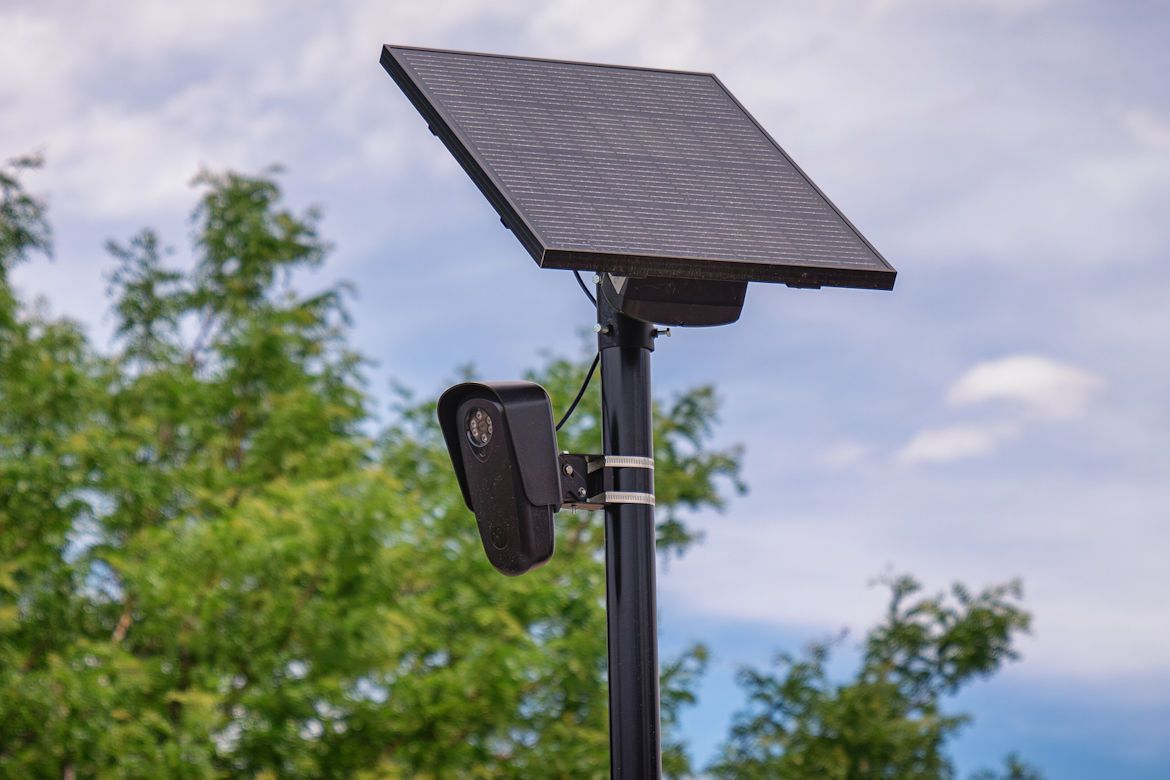
Despite their benefits, lawmakers in some states have reacted to the backlash against Flock by imposing restrictions that attempt to prevent misuse and abuse while maintaining the technology’s utility for responding to crimes. Some of these regulations allow police to use the technology with guardrails. For example, in Missouri, new rules issued in September via executive order require officers to state a “legitimate purpose” for searching ALPR databases, and agencies must audit searches monthly and delete all records not tied to an active investigation within 30 days.
Other states, however, are taking a stricter approach. In August, Florida’s Department of Transportation revoked law enforcement agencies’ permits for ALPRs on state roads. Around the same time, Texas Governor Greg Abbott ordered all state agencies to pause funding for Flock cameras. New Hampshire sets a retention limit of three minutes for ALPR data not tied to a violation or active investigation.
At the federal level, the Flock-Off Act, introduced in September by Rep. Thomas Massie (R-KY), would cut off federal funding for ALPRs and require federally funded ALPRs to be removed. Meanwhile, the Ban Flock Act, introduced this month by Rep. Alexandria Ocasio-Cortez (D-NY), would restrict federal law enforcement from using ALPRs, withhold grants to state and local governments that use ALPRs, and prohibit the use of federal funds to purchase ALPRs.
Why Now?
Originally developed in the 1970s, ALPRs have faced backlash before. Criticism of the technology echoes the backlash to many other police technologies. Flock cameras have been on the market since the company’s founding in 2017, with adoption growing steadily over the years. But it’s no coincidence that they have come under increased scrutiny more recently. It’s happening because Flock cameras, like many police technologies, use AI—the modern technology bogeyman.
A 2026 survey conducted by the University of Pennsylvania found that medical research was the only area where Americans expect AI to do more good than harm in the next decade, whereas they expect it to have a negative impact on government services, education, the economy, the arts, utility costs, mental health, the environment, competition with China, online news, jobs, children’s safety online, and data privacy and security. Sixty-one percent of Americans oppose the construction of new AI data centers in their area, and 68 percent say the government hasn’t done enough to regulate AI.
Public attitudes toward law enforcement are an equally significant factor. Much of the current backlash to law enforcement has targeted Immigration and Customs Enforcement (ICE) following controversial changes to the agency’s policies and operations under the Trump administration and highly publicized deaths at the hands of ICE agents. A 2026 survey by NPR, PBS News, and Marist Poll found that 65 percent of Americans believe ICE has “gone too far” in enforcing immigration laws, 62 percent believe ICE’s actions are making America less safe, and 60 percent disapprove of ICE’s performance.
Recent ALPR restrictions reflect this sentiment. New Mexico’s Driver Privacy and Safety Act, signed into law in March, bars ALPR users from sharing data for the purpose of immigration enforcement. Washington’s Driver Privacy Act, also signed into law in March, makes it illegal for agencies to use ALPRs for immigration enforcement or collect ALPR data near facilities offering immigration-related services. Connecticut passed a law in May containing similar restrictions.
The Right Approach
The Constitution and the courts should protect Americans from mass surveillance, regardless of the technology law enforcement uses to conduct that surveillance—though individuals should of course have a much lower expectation of privacy in public spaces, including on public roads. Likewise, the law should hold law enforcement officers and agencies accountable for abuses of power, again, regardless of technology. Finally, concerns about over-policing of certain communities compared to others stem from much deeper concerns over racial bias, not just in policing, but in society at large. Banning Flock cameras, or any other police technology, will not address the underlying causes of these disparities. The better approach is to hold law enforcement accountable for its actions.
Lawmakers who want to prevent potential misuse or abuse of ALPRs should follow states like Missouri in enacting reasonable guardrails that limit data retention and use without creating unnecessary barriers for law enforcement to respond to crime. Even better, state lawmakers should govern all law enforcement data collection and use with technologically neutral regulations that impose reasonable guardrails across the board.
Americans want law enforcement to do their jobs effectively. ALPRs and other police technologies are essential to that mission. But if enough Americans don’t trust law enforcement to protect and serve, it won’t matter what technologies agencies use to get the job done; there will always be backlash.
Image credit: Tony Webster via Wikimedia Commons
Editors’ Recommendations
September 18, 2026
AI Triumphalists Complain About the Fear They Induce
Related
November 25, 2019
Facial-Recognition Technology: Closer to Utopia Than Dystopia
October 16, 2023
